
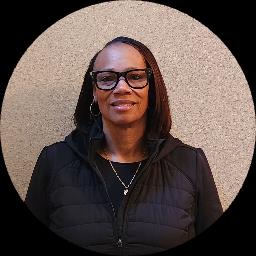
Betty Hull-Williams
Practical, steady support for life and relationships
LPC Oklahoma
- Experience
- 18 years in practice
- Focus areas
- Stress, Anxiety, Addictions, Relationship
- Approaches
- Gottman Method, Client-Centered Therapy
- Languages
- English
About Betty
Betty Hull-Williams is an LPC who helps people facing stress, anxiety, depression, addiction, relationship problems, trauma, and grief. She brings 18 years of clinical experience and a practical focus to sessions.
Background and approach
Her style aims to be warm, direct, and nonjudgmental. Betty uses a mix of approaches to match each person's needs.
She draws from Gottman Method work for relationship concerns, cognitive behavioral techniques to change unhelpful thoughts, and emotion-focused ideas to deepen connection and understanding. Eye Movement Desensitization and Reprocessing (EMDR) is part of her toolkit for trauma processing.
Her training includes a Master of Science in Community Counseling from Oklahoma State University and undergraduate degrees in psychology and criminal justice. She has spent many years in different settings, including correctional facilities, drug court programs, methadone clinics, and community programs.
That background shaped a practical, strengths-based approach. In sessions she emphasizes active listening, encouragement, and clear steps people can try between meetings.
She talks through coping skills, communication strategies, and ways to manage intense emotions so problems feel more manageable. Sessions are collaborative and goal-focused.
Betty offers work with intimacy-related issues, gender dysphoria, LGBT concerns, codependency, forgiveness, and life-direction questions among other areas. She aims to help people build a life they find meaningful and to turn problems into manageable challenges.
Approaches and online options for relationship and emotional work
Betty often blends Gottman Method ideas, Client-Centered Therapy, and Cognitive Behavioral Therapy (CBT) when working online. The Gottman Method focuses on improving communication patterns and rebuilding trust in relationships. Client-Centered Therapy emphasizes empathy and listening to help people feel heard and find their own solutions. CBT looks at patterns of thinking and behavior and teaches specific skills to reduce anxiety and depression.Choosing the right approach is a collaborative process. The therapist will talk about goals and try methods that fit the person's needs and preferences. Sessions can shift over time so the approach stays useful as problems change.
Online appointments are available by video, phone, live chat, or text-based messaging. Video sessions allow face-to-face conversation and visual cues. Phone sessions use less bandwidth and can be easier when a shorter check-in is needed. Live chat and text messaging let clients send quick updates or work through moments between longer sessions. These options make therapy more flexible and easier to fit into a busy life.
Frequently asked questions
What concerns does this therapist address?
How would you describe her therapy style?
What is her professional background?
What credentials and location are listed?
Which languages are supported and can international clients join?
What session formats are available?
How are costs handled for sessions?
How do I begin working with her?
Areas of expertise
Primary focus
Also works with
Additional focus areas
Therapeutic approaches
Experience
18+ years
Licensed in
Oklahoma
Languages
English