
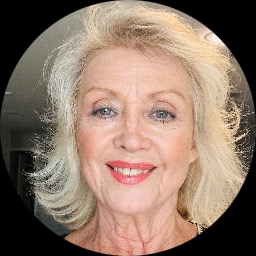
Dr. Cynthia Curnan
Experienced therapist focused on relationships and trauma
LMFT California
- Experience
- 32 years in practice
- Focus areas
- Stress, Anxiety, Relationship, Trauma and abuse
- Approaches
- Gottman Method, Cognitive Behavioral Therapy (CBT)
- Languages
- English
About Cynthia
Dr. Cynthia Curnan helps people facing stress, anxiety, relationship trouble, trauma, grief, and intimacy concerns.
Background and approach
She draws on decades of practice to guide clients through painful patterns and toward clearer choices. Cynthia speaks plainly and focuses on practical steps people can use right away.
She combines relational work with trauma-informed tools to address wounds from the past. Her approach includes methods that help process traumatic memories and reduce overwhelm.
Sessions often include breathing, focused attention, and techniques to shift difficult reactions. Cynthia learned about Inner Guidance before training as a psychotherapist, and that early work shapes how she listens.
She encourages clients to notice inner senses such as intuition and imagination and to use those strengths to make better decisions. This is done in small, steady steps so change feels manageable.
Her background includes a PhD in psychology and a California license as a marriage and family therapist, LMFT. She has practiced for over 30 years and has written about perfectionism and self-direction.
That experience informs how she helps people recognize and soften self-critical patterns. In sessions she blends talk with experiential practices like dream work, interactive hypnotherapy, EMDR-related methods, and exercises for becoming present.
The goal is practical self-knowledge and more freedom to pursue meaningful goals. Clients leave with clearer priorities and tools for everyday life.
Online approaches for relationship and trauma work
Dr. Cynthia often integrates the Gottman Method, Cognitive Behavioral Therapy, and EMDR-related approaches into online work. The Gottman Method focuses on communication patterns and practical skills for managing conflict and improving connection in relationships. Cognitive Behavioral Therapy helps people identify unhelpful thoughts and behaviors and replace them with more effective responses to anxiety and stress. EMDR-related methods aim to process painful memories and reduce the intensity of traumatic reactions by using guided attention and bilateral stimulation techniques.Choosing the right approach is a collaborative process. Cynthia reviews a person’s history, current goals, and comfort with different techniques and then suggests a path forward. Together they try methods in session and adjust as needed so the work fits the client’s needs and pace.
Online sessions are offered by video call, phone, live chat, or text-based messaging to make therapy easier to fit into daily life. Video calls allow face-to-face work for skill practice and EMDR-style techniques. Phone sessions can be useful when bandwidth is limited or a shorter check-in is preferred. Chat and messaging let people keep momentum with short updates or reflection between longer sessions, offering flexibility across schedules and time zones.
Frequently asked questions
What kinds of problems does this therapist help with?
What is the therapy style like in sessions?
How much clinical experience does the therapist have?
What credentials and location are listed?
Are sessions offered in other languages or internationally?
Which session formats are available for online work?
How is cost handled for therapy?
What steps do I take to begin therapy?
Areas of expertise
Primary focus
Additional focus areas
Therapeutic approaches
Experience
32+ years
Licensed in
California
Languages
English