
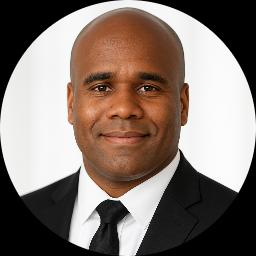
Demetrius Walton
Practical therapy for life transitions
LMFT Texas
- Experience
- 9 years in practice
- Focus areas
- Relationship, Self esteem, Career
- Approaches
- Gottman Method, Acceptance and Commitment Therapy (ACT)
- Languages
- English
About Demetrius
Demetrius Walton is a licensed marriage and family therapist who focuses on helping people facing big life changes. He meets clients where they are and helps them untangle stress, anxiety, low self-esteem, grief, and relationship questions.
Background and approach
He draws on plain, direct conversation to help clients sort priorities and set small, useful goals. Sessions often look like a mix of honest talk, skill practice, and problem-solving.
The aim is steady progress rather than quick fixes. Over nine years of practice in Texas have included work with people who have military or first responder backgrounds and those carrying caregiver responsibilities.
He also supports people coping with trauma, loss, divorce, aging concerns, and workplace strain. This range shapes a practical approach focused on rebuilding routine and purpose.
Demetrius uses methods that emphasize staying present and committed to valued life directions. He also pays attention to attachment patterns and how they show up in close relationships.
Cognitive tools are introduced when they help shift unhelpful thoughts and behaviors. Clients can expect a calm, respectful tone and a focus on things they can try between sessions.
He encourages homework like brief exercises or communication practices to reinforce sessions. The work is collaborative: goals are set together and adjusted as progress is made.
Therapeutic approaches and online care
Demetrius commonly draws on the Gottman Method, Acceptance and Commitment Therapy (ACT), and Attachment-Based Therapy to guide online work. The Gottman Method focuses on improving communication and practical skills for navigating conflict and connection in close relationships. ACT emphasizes values and committed action, helping people choose behaviors aligned with what matters to them despite difficult thoughts or feelings. Attachment-based work looks at how early bonds shape expectations and reactions in adult relationships and helps people form safer emotional patterns.Choosing the right approach is a collaborative process. The therapist will talk with the client about goals, try methods that fit those goals, and adjust the plan as progress is seen. Clients help shape what is tried in sessions and what homework or practice might follow.
Online formats offered include video calls, phone sessions, live chat, and text-based messaging. Video calls allow face-to-face conversation and deeper exercises. Phone sessions can be easier when bandwidth is limited or for a shorter check-in. Live chat and text sessions work well for brief check-ins, tracking mood, or practicing short exercises between longer sessions. These options make it easier to fit therapy into work, caregiving, or travel schedules.
Frequently asked questions
What concerns does this therapist address?
How would you describe the therapeutic style?
What is the therapist's background and experience?
What credentials and location are listed?
Which languages and international arrangements are supported?
What session formats are available?
How does payment and cost work?
How do I begin working with this therapist?
Areas of expertise
Primary focus
Also works with
Additional focus areas
Therapeutic approaches
Experience
9+ years
Licensed in
Texas
Languages
English