
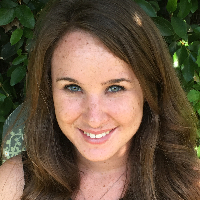
Emily Hunt
Relationship-focused LCSW helping people reconnect and cope
LCSW California
- Experience
- 5 years in practice
- Focus areas
- Stress, Anxiety, Relationship, Family
- Approaches
- Gottman Method, Attachment-Based Therapy
- Languages
- English
About Emily
Emily Hunt is a Licensed Clinical Social Worker (LCSW) based in California who focuses on relationship-centered therapy. She encourages people to start where they are and build a path forward that fits their life.
Background and approach
Emily speaks plainly and listens closely to understand what matters most to each person. She blends several approaches to meet real concerns like stress, anxiety, depression, grief, trauma and abuse, and intimacy-related issues.
In sessions she helps people name difficult feelings, notice patterns in relationships, and practice new ways of communicating. Work can include short skills practice, reflecting on family of origin issues, or talking through big life changes.
Emily also supports people struggling with parenting stress, guilt and shame, impulsivity, and low self-esteem. She pays attention to attachment issues, commitment and trust concerns, jealousy, and problems with intimacy.
When relationship problems come up she uses methods that focus on how people connect and respond to each other. Her style is warm and collaborative.
Emily draws from client-centered therapy to follow each person's priorities, and from cognitive behavioral and emotionally focused approaches to notice thoughts and feelings that keep problems going. She aims to help people make concrete changes that feel manageable in daily life.
Clients can expect a respectful, nonjudgmental space to share their story and try new ways of coping. Emily guides next steps together so therapy fits each person’s goals and schedule.
How Emily uses relationship-focused approaches online
Emily commonly integrates the Gottman Method and attachment-based ideas to help people understand how they relate to others and to themselves. The Gottman-informed work pays attention to interaction patterns and communication habits, which can help with conflict, trust, and intimacy concerns. Attachment-based therapy looks at how early bonds shape current close relationships and helps people build more supported ways of relating.She also uses client-centered therapy to follow each person's priorities and meet them where they are. Choosing the right approach is a team effort - she will talk with the client about goals and preferences and together decide which methods to try first. Therapy can shift over time as needs change and progress is made.
Online sessions are offered by video calls, phone sessions, live chat, or text-based messaging to provide flexibility. Video is useful for deeper conversation and skills practice, phone can fit a shorter check-in or lower bandwidth, and chat or text works well for quick reflections and between-session support. These options make it easier to fit therapy into work, school, or family schedules while keeping treatment focused and practical.
Frequently asked questions
What concerns does she commonly address?
What is her therapeutic style like?
What experience does she bring?
Where is she licensed and based?
Can I work with her in another language or from another country?
How are sessions delivered?
How does pricing work?
What steps do I take to begin therapy?
Areas of expertise
Primary focus
Also works with
Additional focus areas
Therapeutic approaches
Experience
5+ years
Licensed in
California
Languages
English