
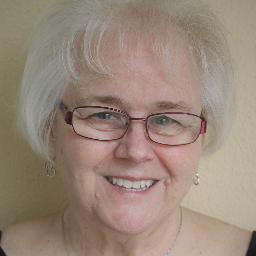
Frances "Tansie" Walker
Experienced counselor guiding practical change
LMHC Florida
- Experience
- 34 years in practice
- Focus areas
- Stress, Anxiety, Relationship, Trauma and abuse
- Approaches
- Gottman Method, Attachment-Based Therapy
- Languages
- English
About Frances
Frances "Tansie" Walker is a licensed mental health counselor with 34 years of experience in Florida. She blends counseling and coaching to help people regain hope and move forward when life feels overwhelming.
Background and approach
Tansie focuses on practical goals and teams up with clients to find workable steps toward change. Her style values openness and straightforward talk.
She listens for what matters most and helps people identify clear goals. Sessions aim to ease stress, anxiety, depression, grief, and struggles with relationships or substance use.
Tansie uses a mix of approaches to match each person's needs. She draws on the Gottman Method for relationship work, attachment-based ideas for connection issues, and cognitive behavioral techniques for thinking and behavior patterns.
Emotionally focused and client-centered methods also shape how she guides conversations. Her additional focus areas include abandonment, attachment issues, blended family concerns, codependency, communication problems, infidelity, jealousy, and non-monogamous relationship challenges.
She also supports people coping with career changes, compassion fatigue, and life transitions. Clients can expect steady, compassionate feedback and practical next steps between sessions.
Tansie brings years of counseling and teaching experience to sessions while honoring each person's values and beliefs. She helps people restore balance and build toward the life they want.
Approach-driven care delivered online
Frances "Tansie" Walker uses a few core approaches to guide online work. The Gottman Method focuses on improving communication and reducing conflict in close relationships through structured conversation and skills practice. Attachment-Based Therapy centers on patterns of connection and helps people build more supported ways of relating when they struggle with trust or fear of abandonment. Client-Centered Therapy emphasizes listening and empathy so the person sets the pace and direction of change.Choosing the right approach is a collaborative process. The therapist and client will talk about goals, preferences, and what has or hasn't helped before, then try methods that fit those needs. Progress is reviewed together and methods are adjusted when needed.
Online sessions are offered by video call, phone, live chat, or text-based messaging to make therapy more flexible. Video is useful for deeper conversations and visual cues, phone calls work well when bandwidth is limited, live chat can suit quick check-ins, and messaging supports shorter reflections between sessions. These options help people fit therapy into busy lives and continue work even when schedules or locations change.
Frequently asked questions
What concerns does she help with?
How would you describe her therapeutic style?
What experience does she bring?
What are her credentials and location?
Which languages are supported for sessions?
What session formats are available?
How does payment and cost work?
How do I begin working with her?
Areas of expertise
Primary focus
Also works with
Additional focus areas
Therapeutic approaches
Experience
34+ years
Licensed in
Florida
Languages
English