
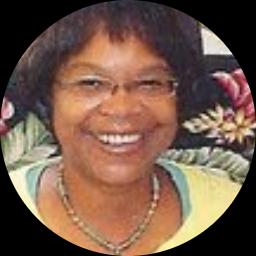
Genotra Brown
Supportive counselor for life transitions
LMHC, LCPC Nevada
- Experience
- 20 years in practice
- Focus areas
- Stress, Anxiety, Self esteem, Depression
- Approaches
- Gottman Method, Attachment-Based Therapy
- Languages
- English
About Genotra
Genotra Brown is a licensed mental health counselor who helps people facing stress, anxiety, low self-esteem, depression, grief, addictions, and career or life changes. She brings 20 years of experience and a direct, compassionate approach.
Background and approach
People who feel isolated, overwhelmed, or stuck often seek her support to find clearer steps forward. She creates a calm space where clients can talk through thoughts and feelings without judgment.
Sessions focus on practical skills and steady progress. She uses straightforward conversation and evidence-informed techniques rather than jargon.
Her work includes attention to aging and geriatric issues, caregiver stress, attachment concerns, and problems that come from blended families or family of origin patterns. She also addresses first responder and veteran issues, compassion fatigue, and recovery challenges related to addictions.
These themes are woven into sessions so daily life feels more manageable. Genotra draws on several therapy styles, including client-centered methods, cognitive behavioral techniques, dialectical behavior strategies, attachment-based ideas, and the Gottman Method.
She adapts these tools to meet each person’s needs and goals. The therapist aims to help clients build coping skills they can use between meetings.
Genotra holds LMHC and LCPC licenses and practices in Nevada. Sessions are offered in English and include video calls, phone sessions, live chat, and text-based messaging.
The focus is on steady, practical change that fits each person’s life.
Approaches That Guide Remote Sessions
Genotra uses the Gottman Method to help people improve communication and reduce recurring conflicts by teaching practical conversation tools. Attachment-Based Therapy is used to look at how early relationship patterns affect current feelings and reactions, which can help with trust and closeness issues. Client-Centered Therapy places the person’s goals at the center, with the therapist listening closely and reflecting to help the client find their own solutions.Finding the right approach is a collaborative process. The therapist will talk with each person about their goals, preferences, and day-to-day realities, then try methods that fit those needs. Adjustments are made over time so the work stays useful and relevant.
Online sessions include video calls, phone sessions, live chat, and text-based messaging to increase flexibility. Video calls are useful for face-to-face conversation and skill practice. Phone sessions can be quieter and use less bandwidth. Live chat or text-based messaging can support quick check-ins, shorter coaching-style conversations, or ongoing journaling between meetings. These options help people keep therapy consistent around work, caregiving, or geographic constraints.
Frequently asked questions
What concerns does Genotra focus on?
What is her therapeutic style like?
How much experience does she have?
What credentials and location are listed?
Which languages are supported?
What session formats are available?
How does payment and cost work?
How do I begin working with her?
Areas of expertise
Primary focus
Also works with
Additional focus areas
Therapeutic approaches
Experience
20+ years
Licensed in
Nevada, Hawaii
Languages
English