
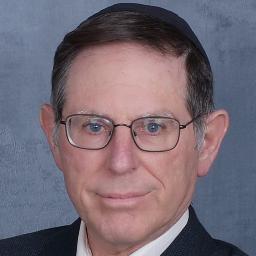
Harvey Pacht
Repairing connection through practical relationship work
LMFT California
- Experience
- 10 years in practice
- Focus areas
- Relationship, Family, Intimacy-related issues
- Approaches
- Gottman Method, Client-Centered Therapy
- Languages
- English
About Harvey
Harvey Pacht is a licensed marriage and family therapist (LMFT) in California who focuses on relationship repair and stronger emotional connection. He draws on practical methods to help people change the way they argue, reconnect with one another, and regain a sense of control over daily life.
Background and approach
He centers therapy on patterns of interaction that leave people feeling distant, lonely, or resentful. Sessions emphasize learning new ways to talk and respond so conflict no longer pushes partners apart.
The work is hands-on and aims to replace old cycles with habits that create closeness and mutual respect. Harvey combines relationship-focused techniques with client-centered listening.
He uses evidence-informed tools to help clients name what they need, adjust communication, and set realistic steps forward. Mindfulness and solution-focused ideas are woven in to make change feel doable between sessions.
Clients can expect a balance of direct coaching and reflective conversation. Harvey pays attention to family of origin themes and practical life stressors like work, money, and caregiving.
These areas are treated as part of the relationship picture rather than separate problems. With ten years of clinical experience, he supports adults confronting heartbreak, midlife shifts, commitment questions, and parenting strain.
He works collaboratively to create clear goals and small experiments that build confidence and improve daily interactions.
Approaches that guide remote relationship work
Harvey often blends the Gottman Method with client-centered and existential ideas to help couples and individuals improve connection. The Gottman Method focuses on changing interaction patterns - it teaches specific skills for communication, managing conflict, and rebuilding trust so partners feel closer over time. Client-centered therapy emphasizes listening and understanding the client's experience, which helps people feel heard and then make choices that fit their values. Existential therapy looks at meaning, choice, and personal responsibility, which can be helpful for people facing midlife questions, grief, or major transitions.Finding the right approach is a collaborative process. The therapist will talk with the client about goals, what has or hasn't worked before, and personal preferences. Together they shape a plan that mixes coaching, skills practice, and reflective conversation to suit the client’s needs.
Online therapy offers practical flexibility - video calls let people work face to face when a live conversation is needed, phone sessions can be easier when bandwidth is limited, and live chat or text-based messaging provides quick check-ins and shorter coaching moments. These options make it easier to fit sessions into busy schedules, follow up between meetings, and keep therapeutic work moving forward from different locations.
Frequently asked questions
What relationship issues are addressed?
What is his therapeutic style like?
How long has he been practicing?
Where is he licensed and based?
Can I work with him if I live outside the United States?
Which session formats are available?
How are fees handled?
What do I do to begin working together?
Areas of expertise
Primary focus
Also works with
Additional focus areas
Therapeutic approaches
Experience
10+ years
Licensed in
California
Languages
English