
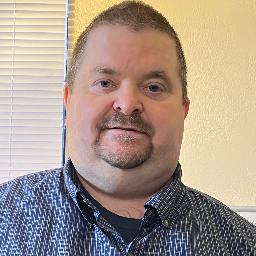
James Gilligan
Practical therapy for stress and relationships
LCSW Florida
- Experience
- 20 years in practice
- Focus areas
- Stress, Anxiety, Addictions, Trauma and abuse
- Approaches
- Gottman Method, Attachment-Based Therapy
- Languages
- English
About James
James Gilligan is a licensed clinical social worker practicing in Florida. He has twenty years of experience helping people who are dealing with stress, anxiety, depression, addiction, grief, and relationship or intimacy concerns.
Background and approach
He also helps with parenting strain, career stress, sleeping and eating problems, and compassion fatigue. He trained at Florida International University and holds a Master of Social Work.
James earned his Florida LCSW and has worked in schools, community settings, and military environments. That mix of experience shaped how he approaches day-to-day problems and long-term struggles.
In sessions he focuses on practical skills and clear steps people can use between meetings. He draws on approaches like cognitive behavioral work to shift unhelpful thoughts, dialectical skills for emotion regulation, and attachment-based ideas to improve closeness and trust.
He also uses Gottman Method tools when relationship interactions are a concern. James is comfortable using trauma-focused methods such as EMDR and applies motivational interviewing to help people find their own reasons for change.
He aims to keep sessions straightforward and goal oriented, while listening for what matters most to each person. People seeking help can expect a collaborative style that balances empathy with actionable guidance.
James supports clients as they make changes and build routines that fit real life.
Therapeutic approaches for online support
James often uses the Gottman Method to address relationship patterns and communication. This approach focuses on interactions between people, helping make conversations calmer and more constructive. Attachment-Based Therapy is another element he uses to look at how early bonds affect current relationships and closeness, which can help when trust or fear of abandonment shows up.Finding the right approach is a team effort. The therapist will work with each client to pick or combine methods based on needs, goals, and preferences. That means trying techniques, checking what helps, and adjusting the plan if something isn’t working.
Online formats include video calls, phone sessions, live chat, or text-based messaging, which make it easier to fit therapy into a busy life. Video allows face-to-face interaction for relationship work, phone can be a simpler check-in, and messaging is useful for short updates or coaching between sessions. These options give flexibility for different schedules, quieter surroundings, and varying comfort with being on camera.
Frequently asked questions
What concerns does this therapist address?
How would you describe the therapeutic style?
What background and experience does he bring?
What credentials and location are listed?
Which languages are available and are international clients accepted?
What session formats are offered?
How does pricing and payment work?
How do I begin the process?
Areas of expertise
Also works with
Additional focus areas
Therapeutic approaches
Experience
20+ years
Licensed in
Florida
Languages
English