
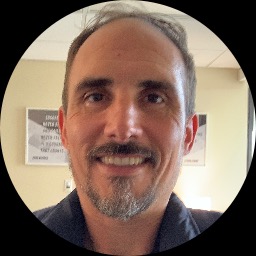
John Rego
Insightful LMFT with practical tools
LMFT California
- Experience
- 20 years in practice
- Focus areas
- Stress, Anxiety, Relationship, Grief
- Approaches
- Gottman Method, Attachment-Based Therapy
- Languages
- English
About John
John Rego is a licensed marriage and family therapist (LMFT) in California with 20 years of clinical experience. He helps people who are dealing with stress, anxiety, grief, life changes, relationship strain, addiction, and career or parenting worries.
Background and approach
He approaches each person with respect, sensitivity, and compassion. He uses conversational, goal-focused work to create a plan that fits each person’s needs.
Sessions are straightforward and client-centered - the person’s priorities lead the conversation. He also brings in practical tools from cognitive behavioral approaches to address unhelpful thoughts and behaviors.
For relationship concerns he incorporates Gottman Method ideas to improve communication and reduce repeated conflict. Attachment-based thinking helps uncover patterns developed in early relationships that affect current connections and emotional responses.
These approaches are used together depending on what a person needs most. John frames therapy as a collaborative process.
He listens first, then suggests steps that can include short-term coaching, skill practice, or deeper therapy for trauma and abuse. He pays attention to emotions like guilt, shame, and emptiness while helping people build day-to-day coping strategies.
He has worked with a wide range of stressors including bipolar and depressive episodes, substance challenges, parenting and fatherhood concerns, blended family issues, and caregiver stress. If someone wants practical support and steady guidance through change, he helps them map clear, realistic next steps.
Approaches that guide online sessions
John blends Gottman Method ideas with attachment-based and client-centered work to address relationship and emotional challenges. Gottman Method concepts focus on improving communication, reducing recurring fights, and rebuilding connection, which can help people handle conflict and intimacy concerns. Attachment-Based Therapy looks at how early relationship patterns shape current reactions and offers ways to form more stable bonds. Client-Centered Therapy keeps the person's goals and experience at the center, with the therapist following the client's lead and reflecting back what matters most.Finding the right mix of approaches is part of the process. He will talk with each person about their goals and preferences, then try methods that fit those needs. That collaboration helps determine whether to emphasize communication skills, change unhelpful thoughts, or explore deeper attachment patterns.
Online formats include video calls, phone sessions, live chat, and text-based messaging to make therapy more flexible. Video lets people work face to face for skill practice and emotion work. Phone sessions are useful when bandwidth is limited or a conversation needs to fit a work break. Live chat and messaging support shorter check-ins, coaching moments, or ongoing notes between sessions. These options aim to make it easier to keep therapy consistent around everyday life.
Frequently asked questions
What kinds of problems does John address?
What is his general therapy style?
How long has he practiced?
What are his credentials and location?
Which languages are supported?
What session formats are available?
How is cost handled?
How do I begin working together?
Areas of expertise
Primary focus
Also works with
Additional focus areas
Therapeutic approaches
Experience
20+ years
Licensed in
California
Languages
English