
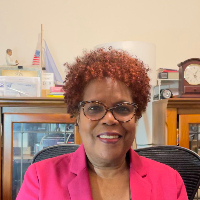
Dr. Marva Bourne
Compassionate, practical therapy for relationships and life changes
LMFT California
- Experience
- 9 years in practice
- Focus areas
- Stress, Anxiety, Relationship, Trauma and abuse
- Approaches
- Gottman Method, Attachment-Based Therapy
- Languages
- English
About Marva
Dr. Marva Bourne is a licensed marriage and family therapist (LMFT) based in California.
Background and approach
She has nine years of clinical experience and helps people facing stress, anxiety, depression, relationship strain, and parenting challenges. She also supports those managing trauma, grief, addictions, and concerns like sleep, eating, and attention difficulties.
Her training includes a doctoral degree in Marriage and Family Therapy and two master’s degrees, one in Marriage and Family Therapy and one in Education Counseling. Dr.
Bourne has a background that includes social work and work with families who have adopted or fostered children. This experience informs how she sees attachment and early life experiences shaping current struggles.
In sessions she blends practical, evidence-informed approaches. She draws on the Gottman Method for relationship work, Attachment-Based Therapy to address bonding and security, and Client-Centered techniques to keep conversations focused on each person’s goals.
Cognitive Behavioral Therapy and Emotionally-Focused Therapy also guide her interventions when helpful. Her style is straightforward and collaborative.
She helps people name what’s happening, try small changes, and track what works. Parents often find her approach useful for managing family stress and blended family dynamics.
Dr. Bourne offers therapy by video call, phone, live chat, and text-based messaging.
Sessions use a subscription that can be canceled at any time. All sessions are conducted in English and she sees clients located in California.
Approaches to relationships and attachment online
Dr. Bourne uses several practical methods that translate well to online work. The Gottman Method focuses on improving communication, reducing destructive patterns, and rebuilding connection in relationships through structured conversations and skills practice. Attachment-Based Therapy looks at how early bonds shape current reactions and helps people build more supported ways of relating. Client-Centered Therapy centers the person’s experience, using empathetic listening and reflection to help clients find their own solutions.Choosing the right approach is part of the process. She will work together with each client to identify what feels most useful based on their concerns and goals. That collaborative process means trying specific techniques, checking how they land, and adjusting the plan over time.
Online formats include video calls, phone sessions, live chat, and text-based messaging. Video sessions allow for face-to-face interaction and practice of communication skills. Phone sessions need less bandwidth and can be a good option when a quick check-in fits a busy day. Live chat and messaging are helpful for brief check-ins, written reflection, or ongoing support between longer sessions. These options make it easier to fit therapy into school, work, or caregiving schedules while maintaining continuity of care.
Frequently asked questions
What concerns does she help people with?
What is her therapeutic style like?
What background and experience does she bring?
What credentials and location apply?
Which languages are supported for sessions?
Can international clients join her practice?
What session formats are available?
How are costs and starting therapy handled?
Areas of expertise
Primary focus
Also works with
Additional focus areas
Therapeutic approaches
Experience
9+ years
Licensed in
California
Languages
English