
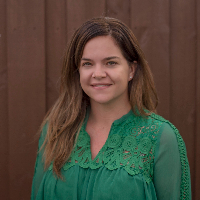
Rachel Marmor
Relationship-centered care with practical tools
LMHC, LCMHC Florida
- Experience
- 12 years in practice
- Focus areas
- Stress, Anxiety, Addictions, Trauma and abuse
- Approaches
- Gottman Method, Acceptance and Commitment Therapy (ACT)
- Languages
- English
About Rachel
Rachel Marmor is a licensed mental health counselor who blends relationship-focused methods with practical skills. She uses the Gottman Method alongside acceptance and action-oriented strategies to help people manage stress, anxiety, addiction, and trauma.
Background and approach
Rachel draws on 12 years of experience and works in Florida as a LMHC and LCMHC. Rachel treats each person as an individual.
She listens first, then builds a plan that fits short-term needs and longer goals. Sessions aim to reduce symptoms and improve daily functioning with clear steps people can try between visits.
Her work often focuses on mood and trauma-related concerns, addiction, relationship and family tensions, and life transitions. She also supports people dealing with parenting strain, eating and sleep problems, and identity-related stress.
Rachel has experience with issues like abandonment, attachment, codependency, and compassion fatigue. In session she mixes cognitive behavioral techniques with mindfulness and acceptance and commitment therapy.
That means looking at thoughts and behaviors, practicing present-moment awareness, and clarifying values to guide actions. She also uses emotionally focused tools to improve communication and connection.
Rachel aims to create a calm, nonjudging space where clients can be honest and take practical steps forward. Her style is direct but compassionate, and she helps people set achievable goals.
For those ready to make changes, she emphasizes simple strategies that fit daily life.
Online approaches that focus on connection and action
Rachel often combines the Gottman Method with Acceptance and Commitment Therapy and Cognitive Behavioral Therapy. The Gottman Method emphasizes improving communication and reducing conflict by building specific interaction skills and understanding patterns that harm connection. Acceptance and Commitment Therapy (ACT) helps people clarify personal values and take committed action even when feelings are difficult. Cognitive Behavioral Therapy (CBT) focuses on identifying unhelpful thoughts and testing new behaviors to reduce symptoms. Finding the right approach is part of the work together. The therapist will review your concerns and try methods that match your goals and preferences. This is a collaborative process where techniques are adjusted over time based on what helps most. Online sessions offer practical flexibility. Video calls let you work face-to-face when schedules or travel make in-person meetings hard. Phone sessions can fit into a busy day or require less bandwidth. Live chat and text-based messaging let people check in between sessions, share quick updates, or have shorter focused conversations. These options make it easier to keep therapy consistent and to practice skills in the context of daily life.Frequently asked questions
What concerns does this therapist address?
What is the therapist's approach in sessions?
How long has she worked in mental health?
Where is the therapist based and what are her credentials?
What languages are sessions offered in?
Which session formats are available?
How is cost handled for sessions?
What are the steps to begin therapy?
Areas of expertise
Also works with
Additional focus areas
Therapeutic approaches
Experience
12+ years
Licensed in
Florida, New Hampshire
Languages
English