
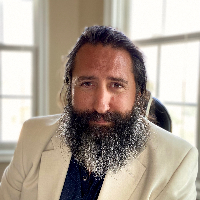
Prof. Randolph (Randy) Beasley
Practical, goal-focused therapy with relational insight
LMFT California
- Experience
- 5 years in practice
- Focus areas
- Stress, Anxiety, Relationship, Bipolar
- Approaches
- Gottman Method, Client-Centered Therapy
- Languages
- English
About Randolph
Prof. Randolph (Randy) Beasley is a Licensed Marriage and Family Therapist (LMFT) based in California.
Background and approach
He brings five years of experience as an LMFT and a background that includes pastoral work and program leadership. Randy focuses on practical steps people can use to feel better and change patterns that cause harm.
Randy combines goal-focused work with a client-centered stance. He helps people name clear goals and then tries out small, concrete changes.
He often uses Cognitive Behavioral Therapy to notice unhelpful thinking, and elements of the Gottman Method when relationship dynamics are central. Before becoming a therapist he studied business and theology and worked as a pastor and camp director.
He later completed a Master of Arts in Marriage and Family Therapy. That mix of roles shaped his straightforward, values-aware approach to care.
Randy has worked in community clinics, substance use treatment settings, a state hospital, and jails. That experience informs how he supports people facing addiction, trauma, and life disruptions.
He also brings experience with caregiver stress, blended family issues, and fatherhood concerns. In sessions he favors short-term goal work alongside deeper reflection.
People can expect a practical plan, regular check-ins on progress, and tools for managing anxiety, depression, mood shifts, and relationship strain. He welcomes people who want steady, action-oriented support while also addressing underlying meaning and values.
How therapy approaches translate to online care
Prof. Randolph (Randy) Beasley commonly draws on the Gottman Method and Cognitive Behavioral Therapy in his online work. The Gottman Method focuses on improving communication, managing conflict, and strengthening connection through clear skills and exercises useful for couples or partners. Cognitive Behavioral Therapy helps people identify unhelpful thoughts and try small behavioral changes to reduce anxiety, depression, or mood swings.Finding the right approach happens together. Randy will talk with each person about goals, preferences, and what feels useful. He combines methods as needed and adjusts plans based on how a person responds over time, keeping the work collaborative and practical.
Online sessions can include video calls, phone sessions, live chat, or text-based messaging. Video calls are good for real-time conversations and practicing skills together. Phone sessions can fit a tight schedule or require less bandwidth. Live chat and text-based messaging allow for short check-ins, ongoing coaching-style support, and flexible communication between longer sessions. These options make it easier to keep therapy consistent while fitting work, caregiving, or travel.
Frequently asked questions
What kinds of concerns does he address?
What is his therapy style like?
What experience does he bring to sessions?
What credentials and location are listed?
Which languages and international options are available?
How are sessions offered?
How is cost handled?
What steps should I take to begin?
Areas of expertise
Primary focus
Also works with
Additional focus areas
Therapeutic approaches
Experience
5+ years
Licensed in
California, Alaska
Languages
English