
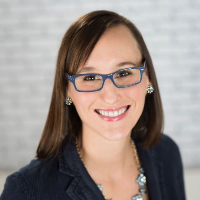
Sarah Watt
Compassionate, practical counseling in Florida
LMHC Florida
- Experience
- 15 years in practice
- Focus areas
- Stress, Anxiety, Addictions, Trauma and abuse
- Approaches
- Gottman Method, Client-Centered Therapy
- Languages
- English
About Sarah
Sarah Watt is a licensed mental health counselor (LMHC) practicing in Florida with 15 years of experience. She combines practical skill with a warm, straightforward manner to help people handle stress, anxiety, addiction, trauma, and relationship concerns.
Background and approach
Sarah listens first, then helps clients set clear, doable goals for change. She trained in counseling through a master’s program and has worked in many settings.
That experience includes inpatient hospitals, community mental health, residential treatment, school-based work, and outpatient practice. Those roles shaped how she tailors care to different needs and life situations.
Sarah uses approaches such as the Gottman Method for relationship work, client-centered therapy to focus on each person’s strengths, and cognitive behavioral strategies to change unhelpful thoughts and actions. She also draws on dialectical behavior therapy and EMDR when they fit the situation.
Sessions are conversational and goal-oriented, with practical tools to try between meetings. People who reach out often want help with grief, parenting strain, sleep problems, anger, addiction, or coping with big life changes.
She also addresses attachment wounds, codependency, infidelity, gender dysphoria, and issues tied to substance use. Sarah aims to create a reliable space where people can explore what matters and make steady progress.
To begin, she encourages a short phone or video chat to see if the fit feels right. That early conversation helps set expectations and decide on a plan that matches the client’s pace and priorities.
How therapy approaches translate to online care
Sarah often uses the Gottman Method to address relationship patterns and improve communication. That work focuses on concrete skills for handling conflict, rebuilding trust, and increasing connection between partners. Client-centered therapy is another base of her work and centers the session on the person’s own goals and strengths, letting the client guide the pace and focus.She also draws on cognitive behavioral therapy to help people notice and change thought patterns that fuel anxiety or low mood. CBT offers clear exercises and small experiments that easily translate to online sessions and between-session work. Together these approaches give a mix of listening, skill practice, and problem-solving tailored to each situation.
Finding the right method is part of the process and happens collaboratively. The therapist will talk with the client about needs, goals, and preferences, then try approaches that fit. If something isn't helpful, adjustments are made so the work feels useful and manageable.
Online options include video calls, phone sessions, live chat, and text-based messaging. Video is useful for deeper conversations and skill practice. Phone sessions can work when bandwidth is limited or when someone prefers not to be on camera. Live chat and text messaging let people check in between sessions or fit brief check-ins into a busy day. These formats make it easier to keep therapy consistent while balancing work, family, and other commitments.
Frequently asked questions
What concerns does Sarah commonly help with?
How would you describe her therapy style?
What background does she bring to therapy?
What credentials and location are listed for the therapist?
Which languages are supported for sessions?
What session formats are available?
How is cost handled for sessions?
What is the first step to begin working together?
Areas of expertise
Also works with
Additional focus areas
Therapeutic approaches
Experience
15+ years
Licensed in
Florida
Languages
English