
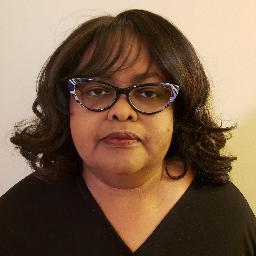
Tracey Boubacar
Practical therapy for relationship and life challenges
LCSW North Carolina
- Experience
- 10 years in practice
- Focus areas
- Relationship, Parenting, Anger
- Approaches
- Gottman Method, Acceptance and Commitment Therapy (ACT)
- Languages
- English
About Tracey
Tracey Boubacar is a licensed clinical social worker with ten years of experience helping people who face hard emotional challenges. She works from North Carolina and focuses on issues like depression, anxiety, stress, low self-esteem, addiction, and relationship concerns.
Background and approach
She offers direct help for parenting struggles and anger management. She also addresses infidelity and jealousy and supports people dealing with career stress or big life changes.
Her work includes attention to LGBT concerns and compassion fatigue experienced by caregivers. Tracey aims to make therapy culturally responsive and attentive to military and veteran experiences.
She is familiar with multicultural issues and the effects of prejudice and discrimination. Her goal is to understand each person's story rather than apply one fixed approach.
In sessions she uses practical, evidence-informed methods to help people develop coping tools. She draws on approaches such as Acceptance and Commitment Therapy, Cognitive Behavioral Therapy, Dialectical Behavior Therapy, Client-Centered Therapy, and the Gottman Method.
These inform how she structures sessions and sets goals with clients. People can expect a collaborative, steady style.
Tracey helps clients name problems, try manageable shifts in thinking and behavior, and build concrete skills for daily life. She encourages small, achievable steps so progress feels real and lasting.
How therapeutic approaches translate to online care
Tracey blends the Gottman Method, Acceptance and Commitment Therapy (ACT), and Cognitive Behavioral Therapy (CBT) to address relationship and emotional concerns. The Gottman Method focuses on communication patterns and rebuilding trust between people by teaching concrete interaction skills. ACT helps people notice difficult thoughts and emotions without getting stuck, then commit to actions that match their values. CBT breaks problems down into thoughts, feelings, and behaviors and uses practical exercises to change unhelpful patterns.Choosing the right approach is a joint process. Tracey works with each person to understand goals and preferences, then adapts techniques over time. She checks in about what helps and what doesn’t, and adjusts the plan so therapy stays relevant and useful.
Online therapy offers flexible ways to connect. Video calls allow more face-to-face interaction for skill practice and feedback. Phone sessions can be simpler when bandwidth is limited or a shorter check-in is needed. Live chat and text-based messaging let clients share thoughts between sessions and use therapy in small, practical moments. These options make it easier to fit work on therapy goals into a busy life while using the methods that suit each person's needs.
Frequently asked questions
What kinds of concerns does Tracey help with?
What is her therapeutic style like?
How much clinical experience does she have?
What are her credentials and where is she based?
Can I work with her if I live outside the United States?
Which session formats are offered?
How are sessions priced?
What steps do I take to begin therapy?
Areas of expertise
Primary focus
Also works with
Additional focus areas
Therapeutic approaches
Experience
10+ years
Licensed in
North Carolina
Languages
English