
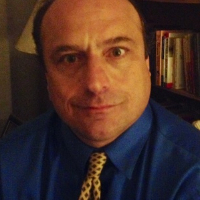
Mark Haase
Calm practical therapy for life’s hard moments
LMFT, LPC Louisiana
- Experience
- 20 years in practice
- Focus areas
- Stress, Anxiety, Addictions, Eating
- Approaches
- Gottman Method, Client-Centered Therapy
- Languages
- English, Spanish
About Mark
Mark Haase is a Licensed Professional Counselor (LPC) and a Licensed Marriage and Family Therapist (LMFT) practicing in Louisiana. He brings 20 years of experience in social services and mental health settings to his work.
Background and approach
Mark focuses on making it easier to talk about stress, anxiety, mood struggles, and life changes. He offers sessions in English and Spanish and accepts international clients.
Before his current practice he worked in group homes, youth shelters, crisis counseling after Hurricane Katrina, and community mental health programs. That background gives him a broad view of how practical challenges and emotional pain connect.
He has supported people dealing with depression, bipolar disorder, panic, OCD, and ADHD. In sessions he emphasizes a straightforward, accepting stance.
He listens first, then helps people notice thoughts and behaviors that get in the way. He uses Client-Centered ideas, cognitive strategies, and motivational techniques to set manageable goals and track progress.
Mark also draws on Gottman Method ideas when relationship patterns are part of the concern. He helps people name interaction habits and try new ways of relating that reduce conflict and increase understanding.
People often come for help with grief, parenting strain, work stress, eating and sleep problems, or feelings of emptiness and isolation. He pays attention to personality patterns like avoidant or dependent tendencies and supports coping skills for impulsivity and compulsions.
Mark describes therapy as a challenging but rewarding process. He aims to make each step clear, practical, and focused on real change.
How therapeutic approaches work online
Mark integrates Client-Centered Therapy to create a listening, nonjudgmental space where people can name feelings and worries. That approach helps when someone needs to feel heard and understood before trying new strategies.He also uses Cognitive Behavioral Therapy (CBT) to identify unhelpful thoughts and test small behavior changes. CBT is useful for anxiety, panic, mood problems, OCD symptoms, and sleep or eating difficulties because it breaks problems into concrete parts you can change.
Finding the right approach is a collaborative process. The therapist will talk with each person about goals, try methods that fit their situation, and adjust what they do as progress is reviewed. Clients help shape the plan based on what feels useful and achievable.
Online therapy offers flexible ways to connect. Video calls are good for in-depth work and reading nonverbal cues, phone sessions can work when bandwidth is limited, and live chat or text sessions suit brief check-ins, skill practice, or busy schedules. These options make it easier to keep continuity of care, manage therapy around work or family, and practice skills between sessions.
Frequently asked questions
What concerns does Mark commonly help with?
How would you describe his therapeutic style?
What is his professional background?
What credentials and region does he practice in?
Does he offer sessions in other languages or to international clients?
What session formats are available?
How are costs handled for sessions?
What steps should I take to begin therapy?
Areas of expertise
Primary focus
Also works with
Additional focus areas
Therapeutic approaches
Experience
20+ years
Licensed in
Louisiana
Languages
English, Spanish