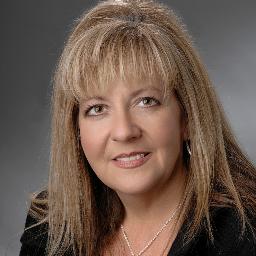
Dr. Lucy Flitton
BACP, NCPSUnited Kingdom
- 17 years in practice
Stress, Anxiety · Addictions · Trauma and abuse · +17
See profileThe therapist listings come from BetterHelp. We will earn a commission if you sign up through our link, at no cost to you.
This page lists therapists who work with phobias and specific fears, along with the approaches, credentials, languages and experience they note. Browse the profiles below to learn how different clinicians describe their focus and methods.
Use the listings to compare practitioners and read more about how therapy for phobias typically works before reaching out.
United Kingdom
Stress, Anxiety · Addictions · Trauma and abuse · +17
See profileUnited Kingdom
Stress, Anxiety · Parenting · Self esteem · +11
See profileCalifornia
Stress, Anxiety · Relationship · Family · +8
See profileAustralia
Stress, Anxiety · Relationship · Self esteem · +16
See profileIllinois
Trauma and abuse · Anger · Self esteem · +12
See profileFlorida
Stress, Anxiety · Addictions · Relationship · +15
See profileUnited Kingdom
Stress, Anxiety · Trauma and abuse · Grief · +17
See profileMississippi
Stress, Anxiety · Relationship · Trauma and abuse · +11
See profileFlorida
Stress, Anxiety · Relationship · Trauma and abuse · +3
See profileUnited Kingdom
Stress, Anxiety · Relationship · Trauma and abuse · +17
See profileSouth Carolina
Stress, Anxiety · Trauma and abuse · Anger · +14
See profileUnited Kingdom
Stress, Anxiety · Grief · Self esteem · +6
See profileAustralia
Stress, Anxiety · Trauma and abuse · Self esteem · +15
See profileUnited Kingdom
Stress, Anxiety · Relationship · Trauma and abuse · +15
See profileCalifornia
Stress, Anxiety · Trauma and abuse · Grief · +13
See profileAustralia
Stress, Anxiety · Relationship · Trauma and abuse · +2
See profileUnited Kingdom
Stress, Anxiety · Relationship · Trauma and abuse · +13
See profilePhobias are intense, often persistent fears of specific objects, situations or activities that many people experience at varying levels. For some these fears are occasional and manageable, while for others they can shape choices, restrict routines and create ongoing stress. A phobia may be focused on something concrete like flying, insects or needles, or on a situation such as public speaking or being in crowds. The reaction you have may include a racing heart, sweating, shaking, trouble breathing, or a strong urge to escape. Over time the pattern of avoiding a feared object or situation can limit work, social life or personal goals.
It is common for people with phobias to know that the fear is disproportionate yet still feel powerless to change their response. Emotional and physical responses feed one another: anxiety primes your body, and physical sensations reinforce the belief that the situation is dangerous. Outside of the immediate reaction, you may find yourself devoting time and energy to planning around the fear or recovering from exposure to it. Understanding how a phobia operates in your life is a first step toward deciding whether to seek support and what kind of help might fit your needs.
You might consider therapy if your fear is causing you to miss out on meaningful activities, reducing your quality of life, or creating stress that affects relationships or work. If avoidance behaviors - leaving places early, declining invitations or changing routines - are driven by fear rather than preference, that pattern can point to phobic disorder. You may also notice that anxious thoughts are frequent and hard to control, that you experience panic-like symptoms in response to triggers, or that you spend considerable time and energy trying to prevent exposure.
Another sign is when strategies you have tried on your own - gradual self-exposure, reading or relaxation exercises - do not lead to steady improvement. Therapy can offer structured ways to practice coping skills while staying emotionally supported. If the fear began after a distressing event, or if it coexists with mood changes, panic symptoms or substance use, professional assessment can help you understand the full context and choose an appropriate path forward. Therapy is not only for extreme cases; even milder but persistent fears can respond well to intentional, practice-based intervention.
When you start working with a therapist for a phobia, the early sessions typically focus on building a clear picture of how the fear shows up for you. Your clinician will ask about the history of the fear, specific triggers, how you react physically and emotionally, and what you do to cope. Together you will identify goals for therapy and decide on an approach that fits your preferences. Sessions often involve education about the mechanisms of fear and anxiety, so you can understand why avoidance and bodily sensations maintain the problem.
As therapy progresses, you should expect a mix of learning and practice. Therapists commonly help you develop skills for managing physiological arousal, such as breathing techniques and grounding strategies, while also planning gradual, guided exposure to feared situations. Practice may begin with imagined or low-intensity exposures and move toward real-world encounters at a pace you can manage. Many people find that working with a clinician gives structure to exposures and helps them tolerate anxiety long enough for new learning to occur. Throughout the process, your therapist will monitor progress and adjust the plan to match how you respond.
Several approaches are commonly used to treat phobias, and therapists often combine elements to fit your needs. Cognitive behavioral approaches are frequently used and focus on identifying and shifting unhelpful thoughts while pairing that work with behavioral exercises. Exposure-based strategies are central to many evidence-informed plans and involve repeated, controlled contact with the feared stimulus so that anxiety decreases over time. Therapists who list exposure therapy among their approaches may use imaginal exposure, in vivo tasks or simulated exposures depending on the fear and your readiness.
Other approaches are often integrated to address additional layers of your experience. Therapists who list acceptance and commitment work among their approaches emphasize clarifying values and making space for uncomfortable feelings while pursuing meaningful action. Therapists who list EMDR among their approaches may use it when a phobia is tied to a specific traumatic memory, though not every clinician who mentions EMDR uses it for phobias. Relaxation training, mindfulness practices and breathing exercises are common adjuncts to exposure work because they help you manage the physiological aspects of fear. When selecting a clinician, look for descriptions that match your comfort with structured practice and with approaches that emphasize action versus insight.
Online therapy can be an accessible option for addressing many phobias, particularly when travel or location is a barrier to attending in-person sessions. In virtual sessions you can meet with a clinician from your home and use video calls to practice exposure steps, role-play situations and learn coping skills. For some fears - such as fear of public speaking or social situations - online work can simulate the relevant environment effectively. For other fears that involve specific physical settings - for example flying or being in crowded transit - therapists can guide you through planning and practicing real-world exposures between sessions.
When engaging in online therapy for phobias, you and your clinician will discuss how to handle safety and comfort during exposures carried out outside the session. Technology can support progress through screen-sharing educational materials, recording homework exercises and scheduling short check-ins. You should also consider practical factors like whether you prefer video or phone-only sessions, whether you need language options, and how to create a calm environment at home for practice. Online therapy is not a single format - some clinicians combine virtual sessions with in-person homework - so explore descriptions to find clinicians whose online approach aligns with your needs.
When choosing a therapist for phobias, consider how they describe their focus and the approaches they list. Look for clinicians who explicitly mention work with specific fears or phobia-related concerns and who describe the kinds of techniques they use, such as exposure-based work, cognitive-behavioral methods, or acceptance-oriented strategies. Pay attention to whether a therapist notes experience with related issues you face, for example panic symptoms, trauma history or health-related fears. Languages spoken, professional credentials and years of experience can help you narrow options, as can descriptions of their typical therapeutic pace and style.
It helps to think about what matters most to you in the therapeutic relationship. Some people prefer a highly structured approach with clear homework and measurable steps, while others want more discussion-oriented work that integrates life context and values. Many therapists include short descriptions of their session structure and what new clients can expect during the first few meetings; reading those can give you a sense of fit. Finally, prepare a few questions to ask a clinician before you start so you can assess whether their approach and communication style match your comfort level and goals. Taking time to match your needs with a therapist's stated methods and experience increases the likelihood that your work together will feel purposeful and effective.
Alabama
19 therapists
Alaska
4 therapists
Arizona
18 therapists
Arkansas
4 therapists
Australia
63 therapists
California
120 therapists
Colorado
40 therapists
Connecticut
10 therapists
Delaware
7 therapists
District of Columbia
4 therapists
Florida
190 therapists
Georgia
62 therapists
Hawaii
12 therapists
Idaho
19 therapists
Illinois
59 therapists
Indiana
27 therapists
Iowa
11 therapists
Kansas
17 therapists
Kentucky
16 therapists
Louisiana
20 therapists
Maine
3 therapists
Maryland
7 therapists
Massachusetts
8 therapists
Michigan
49 therapists
Minnesota
23 therapists
Mississippi
11 therapists
Missouri
34 therapists
Montana
8 therapists
Nebraska
7 therapists
Nevada
20 therapists
New Hampshire
3 therapists
New Jersey
26 therapists
New Mexico
8 therapists
New York
51 therapists
North Carolina
57 therapists
North Dakota
1 therapist
Ohio
31 therapists
Oklahoma
33 therapists
Oregon
14 therapists
Pennsylvania
56 therapists
Rhode Island
3 therapists
South Carolina
20 therapists
South Dakota
5 therapists
Tennessee
33 therapists
Texas
184 therapists
United Kingdom
135 therapists
Utah
30 therapists
Vermont
2 therapists
Virginia
24 therapists
Washington
32 therapists
West Virginia
8 therapists
Wisconsin
32 therapists
Wyoming
3 therapists