
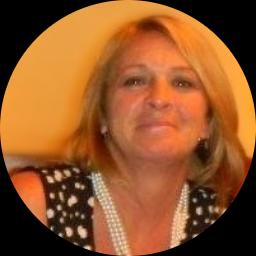
Patricia Montanari
Calm practical therapy for life’s big stresses
LMHC, LPCC Florida
- Experience
- 16 years in practice
- Focus areas
- Stress, Anxiety, Addictions, Relationship
- Approaches
- Gottman Method, Acceptance and Commitment Therapy (ACT)
- Languages
- English
About Patricia
Patricia Montanari is a licensed mental health counselor who uses practical, evidence-based methods to help people handle stress, anxiety, mood changes, and addictive behaviors. She brings 16 years of experience to sessions and blends structured techniques with a compassionate, down-to-earth style.
Background and approach
People meet her for help with relationship strain, parenting challenges, trauma and abuse, ADHD, and shifts in self-esteem. She holds a Master of Arts in Counseling and Guidance and practices as an LMHC and LPCC in Florida.
Her background includes work in community mental health, home-based therapy, group settings, and residential programs. That variety shaped a flexible approach to many life situations.
In session she uses tools from cognitive behavioral therapy (CBT) and Acceptance and Commitment Therapy (ACT) to map problems and try small changes that build over time. Attachment-based ideas help when patterns from early relationships affect present behavior.
The Gottman Method is part of her toolkit for addressing communication and connection concerns. Patricia aims for clear, doable steps rather than long lists of theory.
She also works with deeper, long-standing issues such as trauma, personality concerns, and co-occurring substance problems when those are present. Her style mixes straightforward skill teaching with listening that helps people feel understood.
Outside of clinical work she enjoys spending time with family and dogs, traveling, swimming, music, and reading. She describes her mission as creating a relaxed, supportive space where people can work toward resolving life’s challenges.
Therapeutic approaches adapted for online work
Patricia uses Acceptance and Commitment Therapy (ACT) to help people notice unhelpful thoughts and commit to actions that match their values. ACT is useful for anxiety, stress, and when life changes make it hard to stay engaged in what matters. She also uses Cognitive Behavioral Therapy (CBT) to identify patterns of thinking and behavior and to teach concrete skills for mood, panic, and obsessive concerns. Attachment-based ideas guide work on relationship patterns and communication habits that stem from early bonds.Figuring out which approach fits best is a team effort. The therapist and client review goals, try techniques, and adjust the plan as they learn what helps. That collaborative process means methods can shift over time to match changing needs and progress.
Online formats include video calls, phone sessions, live chat, and text-based messaging. Video sessions are helpful for in-depth conversations and practice exercises. Phone sessions can make contact easier when bandwidth is limited. Live chat or text-based messaging work well for brief check-ins, homework prompts, or ongoing support between longer sessions. These options make it easier to fit therapy into work, school, or family schedules while keeping consistent momentum.
Frequently asked questions
What kinds of problems does she address?
What is her general therapy style?
How much clinical experience does she have?
What credentials and where does she practice?
Can sessions be offered in other languages or to international clients?
What session formats are available?
How does payment and cost work?
How do I begin working with her?
Areas of expertise
Primary focus
Also works with
Additional focus areas
Therapeutic approaches
Experience
16+ years
Licensed in
Florida, New Mexico
Languages
English