Gottman Method therapists in Georgia
Welcome to the directory of online therapists serving Georgia. All therapists listed here are licensed to practice in Georgia and offer telehealth services. Browse the profiles below to review approaches, languages, credentials, and practice focuses to find a good match for your needs.




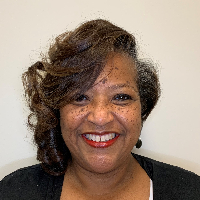


Breeann Hamp
LCSW, CSWGeorgia
- 8 years in practice
Stress, Anxiety · LGBT · Trauma and abuse · +14
See profile
Brianna Brown
LMFTGeorgia
- 7 years in practice
Stress, Anxiety · Relationship · Intimacy-related issues · +12
See profile

Kevin Kurtz
LPCGeorgia
- 13 years in practice
Stress, Anxiety · Addictions · Relationship · +10
See profile
Dr. Vanessa Bowen
LCSW, CSWGeorgia
- 15 years in practice
Stress, Anxiety · Relationship · Family · +13
See profile


Laine Briggs
LMFTGeorgia
- 10 years in practice
- 2 languages
Relationship · Family · Trauma and abuse · +3
See profile




Georgia
- 15 years in practice
Relationship · Trauma and abuse · Intimacy-related issues · +13
See profile




Overview of Online Therapy in Georgia
Online therapy has become a common way for people in Georgia to access mental health care without traveling to an office. Licensed therapists who practice via telehealth use video, phone, and sometimes text-based messaging to meet with clients. If you live in a metropolitan area or in a rural county, online therapy can connect you with clinicians across the state who list specialties and approaches that match your needs. Licensing rules mean that therapists who provide services to Georgia residents must hold an appropriate Georgia license, so the clinicians listed here are those who indicate they are authorized to practice in the state. Technology has made it easier to engage in ongoing care, attend sessions from a comfortable environment, and coordinate care with other providers when needed.
Benefits of Online Therapy for Georgia Residents
Choosing online therapy can remove many logistical barriers that make it hard to begin or continue treatment. You can save travel time and avoid arranging lengthy commutes, which is particularly helpful if you live in an area with limited local options. Online sessions can make it easier to fit therapy into a full schedule, attend sessions during transitional periods like relocation, and maintain continuity when work or life events change. Many people find it simpler to connect with a therapist who shares their language or cultural background when geography is not a limiting factor. In addition, telehealth may allow you to access clinicians who list specific approaches that appeal to you, whether you want a therapist who emphasizes relationship work, trauma-informed methods, or strengths-based care. Practical considerations such as device compatibility, internet access, and quiet space are important, and thinking about these ahead of time can help your sessions run smoothly.
Common Issues Addressed by Online Therapists in Georgia
Online therapists in Georgia work with a wide range of concerns. You can find clinicians who focus on anxiety, depression, stress management, and mood regulation, as well as relationship issues including premarital counseling, couples work, and family communication. Therapists also commonly support people navigating grief, life transitions, parenting challenges, and workplace stress. Some therapists list approaches for trauma-related concerns, noting methods like trauma-focused therapy or EMDR listed among their approaches; this does not replace a conversation about a therapist's experience and fit with your needs. People looking for support around substance use, behavioral health changes, or chronic health conditions can also seek online therapy as part of a broader care plan. If you are seeking couples work, you can look for therapists who list relationship-focused modalities, including those who mention Gottman approaches among their perspectives. Across all these areas, online therapy can offer a way to begin conversations, learn coping strategies, and practice new skills in between sessions.
Verifying a Therapist's License and Professional Background in Georgia
It is important to confirm that any therapist you are considering holds an active Georgia license. You can find this information through the Georgia licensing board's public license lookup. When you use the lookup, search by the clinician's name to verify license type, status, and any disciplinary history that may be listed. License types you might encounter include licensed professional counselor, licensed clinical social worker, licensed marriage and family therapist, and psychologist, each with different training pathways and scopes of practice. You can also ask a therapist for their license number and the name of the licensing body so you can verify details directly. Reviewing a clinician's stated education, years in practice, and areas of focus in their profile helps you understand their background, while public records will show the formal licensing status. If you have concerns about the license record, the licensing board can provide guidance on how to interpret the information you find.
What to look for on a license record
On a license record, look for the license type, issue and expiration dates, and whether there are any recorded disciplinary actions. A current, active license with no unresolved actions indicates that the clinician is authorized to practice in Georgia under that license category. Licensure does not describe every aspect of a therapist's experience, so combine what you find in the public record with details on the therapist profile about their approaches, populations served, and languages spoken to get a fuller picture.
How to Get Started with an Online Therapist
Starting with an online therapist begins with a little preparation. First, identify the main reasons you want therapy and what you hope to achieve, whether that is symptom relief, skill building, relationship improvement, or support during a life change. Read therapist profiles to see who lists experience with similar concerns and who describes approaches that resonate with you. Many profiles note languages spoken and populations served, which can be important if you need culturally informed care or work better with someone who shares aspects of your identity. Once you find a few profiles that seem like a fit, reach out through the directory or the contact method listed on the clinician page to request more information about their approach and to learn about session logistics. Prepare questions about session length, typical pacing, how they handle emergencies or referrals, and payment options. If you plan to use insurance, ask whether the therapist lists insurance among their accepted payment methods or whether they provide a receipt you can submit to your insurer.
Preparing for your first session
Before your first online appointment, check your technology and internet connection, find a quiet, uninterrupted space where you feel comfortable, and gather any notes about your history and current concerns. Having a list of goals and questions will help you make the most of the initial conversation. Expect the first session to focus on understanding your reasons for seeking therapy, reviewing information-sharing boundaries and consent practices, and planning next steps. If something about the session format or communication style does not feel like a fit, it is reasonable to seek clarification or to try a different clinician whose approach aligns better with your preferences.
Choosing the Right Therapist: Practical Tips
Choosing a therapist is a personal decision and you should feel empowered to find a clinician who matches the practical and relational qualities that matter to you. Think about whether you prefer a therapist who emphasizes evidence-informed strategies, relational models, or experiential work, and search for profiles that list those approaches. If language or cultural understanding is important, prioritize therapists who list the languages you speak or who note experience serving communities similar to yours. Consider logistical factors such as session cost, insurance processing, and whether the therapist uses video or phone modalities you are comfortable with. It can be helpful to view an initial session as an opportunity to evaluate how you feel heard, how the therapist explains their approach, and whether their style supports the kinds of changes you want to make. Compatibility and trust often develop over a few sessions, but your initial impressions about communication and respect are meaningful indicators of fit.
Finally, remember that seeking therapy is an active step toward support. Whether you are addressing a specific problem or seeking ongoing personal growth, online therapy in Georgia offers a way to connect with clinicians who list a range of specialties and approaches. Use the directory to narrow your search by approach, language, and credentials, verify licensure through the Georgia licensing board, and prepare for your first session so you can begin working toward your goals with clarity and confidence.
Browse Specialties in Georgia
Mental Health Conditions (30 have therapists)
Addictions
968 therapists
ADHD
858 therapists
Anger
1140 therapists
Bipolar
801 therapists
Chronic Illness
463 therapists
Chronic Pain
463 therapists
Compulsion
597 therapists
Control Issues
965 therapists
Depression
1471 therapists
Domestic Violence
652 therapists
Eating Disorders
480 therapists
Grief
1237 therapists
Guilt and Shame
1263 therapists
Impulsivity
777 therapists
Intimacy Issues
1069 therapists
Isolation / Loneliness
1146 therapists
Midlife Crisis
924 therapists
Mood Disorders
967 therapists
Obsession
597 therapists
OCD
597 therapists
Panic Disorder and Panic Attacks
925 therapists
Phobias
490 therapists
Post-Traumatic Stress
1119 therapists
Postpartum Depression
614 therapists
Self Esteem
1466 therapists
Sexual Trauma
617 therapists
Sleeping Disorders
534 therapists
Social Anxiety and Phobia
1099 therapists
Stress & Anxiety
1597 therapists
Trauma and Abuse
1374 therapists
Life & Relationships (33 have therapists)
Abandonment
941 therapists
Adoption
418 therapists
Aging and Geriatric Issues
560 therapists
Attachment Issues
1091 therapists
Blended Family Issues
867 therapists
Body Image
693 therapists
Career
1014 therapists
Caregiver Issues and Stress
900 therapists
Codependency
955 therapists
Commitment Issues
852 therapists
Communication Problems
1453 therapists
Compassion Fatigue
876 therapists
Coping with Life Changes
1361 therapists
Divorce
1211 therapists
Family
1304 therapists
Family of Origin Issues
884 therapists
Fatherhood Issues
597 therapists
Fertility Issues
334 therapists
First Responder Issues
507 therapists
Forgiveness
1212 therapists
Foster Care
418 therapists
Hospice and End-of-Life Counseling
420 therapists
Infidelity
952 therapists
Jealousy
791 therapists
Life Purpose
1297 therapists
Money and Financial Issues
611 therapists
Parenting
1127 therapists
Pregnancy
487 therapists
Relationship
1566 therapists
Self-Love
1250 therapists
Separation
1211 therapists
Sexuality
615 therapists
Workplace Issues
1017 therapists