
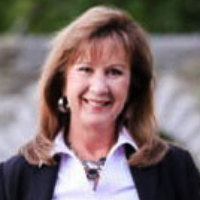
Dr. Barbara Brady
Relationship-focused counselor helping people take practical steps
LPC West Virginia
- Experience
- 25 years in practice
- Focus areas
- Relationship, Family, Grief
- Approaches
- Gottman Method, Client-Centered Therapy
- Languages
- English
About Barbara
Dr. Barbara Brady is a Licensed Professional Counselor with 25 years of clinical experience based in West Virginia.
Background and approach
She focuses on helping people who are struggling with relationships, grief, anxiety, depression, and parenting challenges. Her approach aims to move clients from feeling stuck toward practical steps they can take each week.
She uses relationship work and individual therapy to address communication problems, blended family issues, and conflict around separation or divorce. She also supports people facing addiction, trauma and abuse, eating concerns, and caregiver stress.
Her practice includes attention to fertility, adoption and foster care matters, and issues related to aging. Her style is supportive and non-judgmental.
She helps people set goals, notice patterns that block progress, and try small changes to test what works. Sessions are action-oriented when clients want tasks and reflective when they need space to process feelings.
Dr. Brady draws on several well-known methods including the Gottman Method for relationship work, client-centered approaches to honor each person’s viewpoint, and cognitive behavioral strategies to change unhelpful thoughts and behaviors.
She also integrates techniques from dialectical behavior therapy and emotionally-focused work when those match a client’s needs. She offers sessions by video calls, phone, live chat, or text messaging so people can pick what fits their schedule.
Sessions use a subscription model that can be canceled at any time. To begin, a person selects the Start Therapy button, completes a short matching questionnaire, and schedules according to therapist availability.
How approaches like Gottman, CBT, and client-centered work online
Dr. Brady blends a few different approaches to match a person’s goals. The Gottman Method focuses on teaching communication and conflict skills for couples, using structured exercises to improve conversations and reduce harmful patterns. Cognitive Behavioral Therapy, or CBT, looks at the links between thoughts, feelings, and actions and offers clear tools to change unhelpful thinking and behaviors. Client-centered therapy emphasizes listening and understanding the person’s perspective so they feel heard and can lead the pace of change.Choosing the right approach is a collaborative process. The therapist will talk with the client about their goals and preferences, try methods that seem likely to help, and adjust the plan as progress is made. This flexibility helps tailor work for relationship problems, anxiety, grief, or life transitions.
Online sessions are offered by video calls, phone, live chat, or text-based messaging to fit different needs. Video is useful for face-to-face conversation and exercises. Phone sessions can be easier when bandwidth is limited. Live chat or text messaging can provide quick check-ins or short, frequent support between longer sessions. These formats make it easier to fit therapy around work, family, or travel.
Frequently asked questions
What concerns does she help with?
What is her therapeutic style like?
How much clinical experience does she have?
What are her credentials and where is she located?
Which languages are supported for sessions?
What session formats are offered?
How does payment and cost work?
How do I get started with therapy?
Areas of expertise
Primary focus
Also works with
Additional focus areas
Therapeutic approaches
Experience
25+ years
Licensed in
West Virginia
Languages
English