
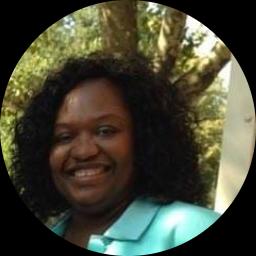
Prof. Florence Chichester
Practical support for stress and life transitions
LMHC New York
- Experience
- 15 years in practice
- Focus areas
- Stress, Anxiety, Relationship, Family
- Approaches
- Gottman Method, Attachment-Based Therapy
- Languages
- English
About Florence
Prof. Florence Chichester helps people facing stress, anxiety, depression, relationship concerns, grief, and life changes.
Background and approach
She also supports those dealing with addictions, trauma and abuse, parenting strain, sleep and eating concerns, and career challenges. Florence is a New York licensed mental health counselor with 15 years of clinical experience.
She writes and talks plainly in sessions and focuses on practical steps people can use between meetings. Her style is warm and direct.
She listens first and asks simple questions to clarify what is most pressing. Sessions include skill practice, communication work, and planning small changes that add up.
She mixes approaches such as Gottman Method work for relationship patterns, attachment-based thinking about emotional bonds, and cognitive behavioral techniques for managing unhelpful thoughts. Florence pays attention to context.
That means looking at work stress, caregiving roles, cultural background, and other life demands that shape feelings and behavior. She works with people facing challenges related to adoption and foster care, aging and caregiving stress, chronic health issues, and neurodiversity concerns like autism and ADHD.
Clients can expect a cooperative pace and plain language about goals and progress. The aim is to build tools for better communication, stronger boundaries, and clearer next steps.
Florence focuses on what helps someone feel steadier and more able to move forward. All sessions are conducted in English from her New York practice.
She offers a mix of video calls, phone sessions, live chat, and text-based messaging to fit different schedules and needs.
Approaches and how online therapy works
Gottman Method focuses on observable relationship patterns and communication habits. In this context it can help people identify repeated interaction cycles, learn turning toward instead of away, and practice new ways of speaking and listening to reduce conflict and grow connection.Attachment-Based Therapy looks at how early bonds influence current emotions and reactions. It helps people understand why they respond the way they do in close relationships and supports building more supported ways of relating.
Finding the right approach is part of the work. The therapist will discuss goals and preferences and together choose methods that fit the situation. That collaborative process guides whether sessions emphasize skills practice, emotional exploration, or thought and behavior change.
Online sessions are offered as video calls, phone sessions, live chat, or text-based messaging to make therapy easier to fit into daily life. Video lets people read facial cues and practice communication skills. Phone sessions use less bandwidth and can be simpler to schedule. Live chat and text messaging are useful for shorter check-ins, coaching-style support, or when writing helps clarify thoughts. These options increase flexibility so therapy can continue around work, caregiving, or other commitments.
Frequently asked questions
What kinds of concerns does this therapist address?
How would you describe the therapeutic style?
What is her professional background?
Where is the therapist based and licensed?
Which languages are supported in sessions?
What session formats are available?
How is cost handled for sessions?
How do I begin working with this therapist?
Areas of expertise
Primary focus
Also works with
Additional focus areas
Therapeutic approaches
Experience
15+ years
Licensed in
New York
Languages
English