
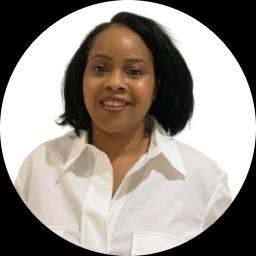
Folashade Dada
Relationship-focused counsellor for everyday struggles
BACP United Kingdom
- Experience
- 4 years in practice
- Focus areas
- Stress, Anxiety, Relationship, Family
- Approaches
- Gottman Method, Acceptance and Commitment Therapy (ACT)
- Languages
- English
About Folashade
Folashade Dada is a counsellor who uses relationship-focused approaches to help adults and young adults. She works with people facing anxiety, depression and stress.
Background and approach
She also supports those dealing with relationship difficulties, low self-esteem and the pressures that come with life changes. She believes therapy is a process of discovery.
Sessions are guided conversations where clients notice what already works for them and build new skills from there. She combines warmth with gentle challenge to help people make practical changes.
Her practice draws on several approaches to match each person's needs. Methods such as the Gottman Method and attachment-based ideas are used to understand relationship patterns and improve communication.
Cognitive Behavioural Therapy and Acceptance and Commitment Therapy help with mood, unhelpful thoughts and coping strategies. With four years of experience and registration with the British Association for Counselling and Psychotherapy - BACP - she works in the United Kingdom and offers sessions in English.
She accepts international clients and adapts her style for different life situations. In a typical session she listens closely, reflects what she hears and offers practical steps to try between meetings.
People can expect clear explanations, simple exercises and a focus on small, achievable change. Sessions are paced to suit the client's goals and comfort level.
How relationship and acceptance approaches work online
Folashade commonly draws on the Gottman Method to look at how people interact and to teach clearer communication and connection skills. She also uses Acceptance and Commitment Therapy (ACT) to help clients notice difficult thoughts and still move toward valued goals. Each approach is explained in plain language and linked to the issues a person brings.Finding the right approach is part of the work. The therapist will discuss goals and preferences, and they will decide together which methods to try first. This collaborative planning means sessions change if something feels unhelpful or a different focus would be better.
Offering video calls, phone sessions, live chat and text-based messaging makes therapy more flexible. Video is useful for deeper conversations and exercises that use facial cues. Phone calls are good when bandwidth is limited or a simpler check-in is needed. Chat and messaging suit brief reflections, journalling-style check-ins or people who prefer not to be on camera. These options help fit therapy around work, caring duties and travel.
Frequently asked questions
What concerns does she help with?
What is her therapeutic style?
What experience does she bring?
Which credential does she hold and where is she based?
Which languages are supported for sessions?
What session formats are available?
How does payment and cost work?
How do I begin working with her?
Areas of expertise
Primary focus
Also works with
Additional focus areas
Therapeutic approaches
Experience
4+ years
Registered with
BACP
Languages
English