
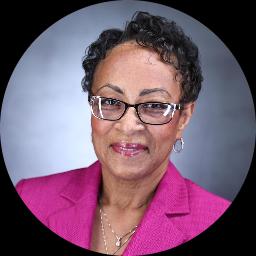
Dr. Hollie Campbell
Practical, steady care for stress and relationships
LCPC Illinois
- Experience
- 9 years in practice
- Focus areas
- Stress, Anxiety, Relationship, Trauma and abuse
- Approaches
- Gottman Method, Client-Centered Therapy
- Languages
- English
About Hollie
Dr. Hollie Campbell is an Illinois-licensed clinician with nine years of practice as an LCPC.
Background and approach
She focuses on helping people face anxiety, stress, depression, trauma, and relationship struggles. Her approach centers on clear, direct conversation so visitors know what to expect when they reach out.
She builds a calm space where thoughts and feelings can be shared without judgment. Sessions move at a practical pace.
She listens first, then helps clients set straightforward goals they can try between visits. Dr.
Campbell uses a mix of methods to fit each person’s needs. She draws on client-centered techniques to follow the person’s lead and on cognitive behavioral tools to identify unhelpful thought patterns.
Gottman Method ideas inform her work around relationship skills and communication. Many people seek her help for wounds from the past, problems with intimacy, or family and blended family tensions.
She also works with grief, eating concerns, ADHD-related challenges, and trauma after abuse. Cultural and multicultural pressures are part of the picture she considers.
Her style is collaborative and down-to-earth. She will help clients break big problems into smaller steps.
Practical strategies and honest conversation are typical parts of her sessions. To start, a short matching questionnaire helps pair a person to a schedule that fits.
From there, appointments can be arranged for video calls, phone sessions, live chat, or text-based messaging depending on what the client prefers.
Approaches that translate to online care
Dr. Campbell often blends Gottman Method ideas, client-centered therapy, and cognitive behavioral therapy in online work. Gottman Method concepts focus on improving communication, reducing damaging interaction patterns, and building practical skills for relating to others. Client-centered therapy emphasizes listening and following the person's concerns so the session feels led by the client's needs. Cognitive behavioral therapy looks at how thoughts shape feelings and behaviors and uses practical exercises to test and change unhelpful patterns.Choosing the best approach is part of the work together. The therapist will talk through goals, preferences, and what has helped in the past, then recommend a mix of methods to try. This is a collaborative process and plans can change as the client notices what works.
Online sessions make it easier to fit therapy into a busy life. Video calls are useful for face-to-face conversation and demonstrations of communication skills. Phone sessions can be a simpler option when bandwidth is limited. Live chat or text-based messaging can support quick check-ins, brief coaching, or ongoing reflection between sessions. These options offer flexibility for people juggling work, caregiving, or school while getting steady, regular support.
Frequently asked questions
What concerns does she help with?
What is her general therapy style?
What background does she bring to sessions?
Where is she licensed and practicing?
Which languages are supported for sessions?
What session formats are available?
How does pricing work?
How do I begin working with her?
Areas of expertise
Primary focus
Also works with
Additional focus areas
Therapeutic approaches
Experience
9+ years
Licensed in
Illinois
Languages
English