
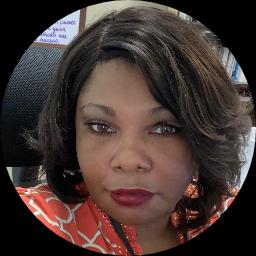
Dr. Skytina Felder-Jones
Experienced counselor focused on practical change
LMHC, LCPC Idaho
- Experience
- 20 years in practice
- Focus areas
- Addictions, Relationship, Trauma and abuse
- Approaches
- Gottman Method, Acceptance and Commitment Therapy (ACT)
- Languages
- English
About Skytina
Dr. Skytina Felder-Jones brings 20 years of clinical experience to her work in Idaho.
Background and approach
She is a licensed mental health counselor and a licensed clinical professional counselor, and she focuses on helping people get through difficult situations. She talks plainly and listens first, helping clients name problems and set manageable goals.
She helps people dealing with addictions, relationship strain, trauma and abuse, parenting stress, and bipolar-related challenges. Her practice also addresses attachment questions, abandonment, adoption and foster care concerns, blended family stress, and issues around body image and chronic illness.
This range lets her tailor conversations to the specific problems a person brings in. Her style centers on clear, practical conversations.
She draws on approaches that help people notice unhelpful patterns, practice new behaviors, and strengthen important connections. Sessions usually focus on small, doable steps that build over time rather than quick fixes.
Dr. Felder-Jones uses tools from Acceptance and Commitment Therapy to help people clarify values and commit to change.
She also uses Attachment-Based ideas to look at how early relationships shape current patterns. Cognitive Behavioral techniques are used when identifying thoughts and habits that keep problems going.
She works with adults in English and accepts international clients. People meet through video calls, phone sessions, live chat, or text-based messaging.
Getting started involves a short matching questionnaire and scheduling a session that fits the client's needs.
Therapeutic approaches that translate to online care
Acceptance and Commitment Therapy, or ACT, helps people get clearer about what matters to them and take small steps toward those values despite difficult thoughts or feelings. It is useful for anxiety, mood struggles, and staying motivated during change. Attachment-Based Therapy looks at how early bonds shape current relationships and helps people notice patterns that affect closeness and trust. It can be helpful for relationship concerns and attachment issues.Choosing the best approach is a collaborative process. The therapist will listen to a client's history, goals, and day-to-day realities, then suggest methods to try. Together they adjust the plan over time so it fits the client's needs and preferences rather than assuming one method will suit everyone.
Online sessions are offered as video calls, phone sessions, live chat, or text-based messaging, which makes it easier to fit therapy into a busy life. Video calls let a therapist and client see nonverbal cues; phone sessions work well when bandwidth is limited or a shorter check-in is needed. Live chat and text messaging can help with brief check-ins, homework support, or ongoing encouragement between longer sessions. These options let people access licensed professionals from different locations and choose what matches their schedule and comfort.
Frequently asked questions
What concerns does this therapist address?
What is the therapist's general approach and style?
How much clinical experience does she have?
What credentials and location are listed?
Which languages are supported and can international clients connect?
What session formats are offered?
How are costs handled for sessions?
How do I get started with therapy?
Areas of expertise
Primary focus
Additional focus areas
Therapeutic approaches
Experience
20+ years
Licensed in
Washington, Idaho, Virginia
Languages
English