
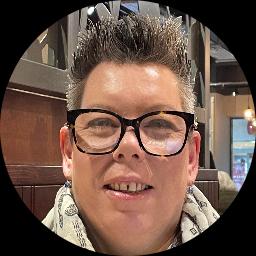
Emma Dalgleish
Practical, relationship-focused counselling
BACP United Kingdom
- Experience
- 22 years in practice
- Focus areas
- Relationship, Trauma and abuse, Grief
- Approaches
- Gottman Method, Attachment-Based Therapy
- Languages
- English
About Emma
Emma Dalgleish is a BACP-registered counsellor working in the United Kingdom with 22 years of professional experience. She focuses on relationship and intimacy concerns, trauma and abuse, grief and loss, and related issues that affect daily life.
Background and approach
Emma aims to be approachable, direct, and compassionate in her work with clients. She adapts her way of working to fit the person in front of her rather than using a one-size-fits-all model.
Sessions are conversational and practical, with space to talk about feelings and to find ways forward. Emma uses the Gottman Method alongside attachment-based and client-centred approaches when these suit the situation.
Her practice pays attention to the delicate nature of sexual and intimacy problems as well as wider relational stress. She also supports people with anxiety, depression, stress, addictions and neurodiverse concerns such as autism and ADHD.
Practical matters like sleep, eating patterns, and coping with chronic illness are included in the discussion when they matter to the client. Emma describes her style as empathic, honest and non-judgemental.
She listens for what matters most and helps people clarify goals for therapy. The work can include short-term coaching or longer exploration depending on what the client prefers.
Her aim is to create a respectful space where issues can be understood and managed. People who want straightforward, warm counselling that focuses on relationships and real-life challenges may find her approach helpful.
How Emma’s approaches work online
Emma uses the Gottman Method to look at communication patterns and practical, observable interactions in relationships. This can help people who want clearer ways to talk, to reduce repeated fights, or to rebuild connection after conflict. Attachment-Based Therapy is about understanding early relationship patterns and how they affect current bonds; it helps when worry about closeness or abandonment shapes behaviour. Client-Centred Therapy focuses on listening and reflecting so the client can understand their own feelings and decide what changes to make.Choosing the right approach is part of the work. Emma discusses goals and preferences with each person and adapts which methods she uses as therapy progresses. This is a collaborative process where clients and the therapist check what helps and change direction if needed.
Online sessions are available by video call, phone, live chat or text-based messaging to fit different schedules and needs. Video calls are useful for face-to-face conversation when visual cues matter. Phone sessions can be easier when bandwidth is limited or a shorter check-in is needed. Live chat and text messages work well for ongoing support between sessions or for people who prefer writing. These options make it easier to attend therapy around work, care duties and travel.
Frequently asked questions
What concerns does Emma help with?
What is her therapeutic style like?
How much clinical experience does she have?
What are her credentials and where is she based?
Which languages and international options are available?
What session formats are used?
How are fees handled?
How do I begin if I want to work with her?
Areas of expertise
Primary focus
Also works with
Additional focus areas
Therapeutic approaches
Experience
22+ years
Registered with
BACP
Languages
English