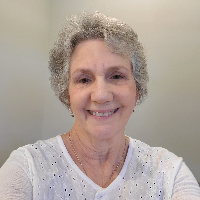
Tanya Smith
LPCSouth Carolina
- 15 years in practice
Stress, Anxiety · Trauma and abuse · Anger · +14
See profileThe therapist listings come from BetterHelp. We will earn a commission if you sign up through our link, at no cost to you.
Welcome to our directory of online therapists serving South Carolina. All therapists listed here are licensed in South Carolina and offer video-based therapy options. Explore profiles to compare focus areas, approaches, credentials and languages to find a good match.
South Carolina
Stress, Anxiety · Trauma and abuse · Anger · +14
See profileSouth Carolina
Stress, Anxiety · Relationship · Intimacy-related issues · +10
See profileSouth Carolina
Stress, Anxiety · Relationship · Family · +3
See profileSouth Carolina
Stress, Anxiety · Addictions · Trauma and abuse · +16
See profileSouth Carolina
Stress, Anxiety · Relationship · Family · +14
See profileSouth Carolina
Stress, Anxiety · Relationship · Trauma and abuse · +11
See profileSouth Carolina
Stress, Anxiety · Relationship · Family · +11
See profileSouth Carolina
Stress, Anxiety · Trauma and abuse · Anger · +11
See profileSouth Carolina
Stress, Anxiety · Relationship · Trauma and abuse · +10
See profileSouth Carolina
Stress, Anxiety · Relationship · Trauma and abuse · +14
See profileSouth Carolina
Stress, Anxiety · Relationship · Family · +2
See profileSouth Carolina
Stress, Anxiety · Relationship · Self esteem · +10
See profileSouth Carolina
Stress, Anxiety · LGBT · Relationship · +3
See profileOver the past decade online therapy has become a common option for people across South Carolina, from coastal communities to inland towns. You can connect with a clinician by video for sessions that mirror the conversational format of in-person work, allowing you to engage from home or from another suitable location. Regulations in South Carolina require therapists who provide services to residents to hold an appropriate state license, and many clinicians list telehealth or online delivery among their practice methods. As you look through listings you will encounter a range of credentials and practice focuses, and you will also see therapists who list Gottman work among their approaches, as well as those who list CBT, EMDR, narrative therapy and other methods among their approaches.
The landscape of online therapy in the state is shaped by licensing rules, technological access and client preferences. Teletherapy can be offered in formats that are primarily video-based, and some clinicians supplement sessions with text-based messaging or phone check-ins. Because licensure determines whether a clinician can legally practice with South Carolina residents, the directory highlights that listed therapists hold state licenses. That means when you select a clinician from this directory you are reviewing profiles of professionals who indicate a legal credential to practice in South Carolina, though it is still useful to verify licensing directly with the state board as part of your selection process.
Online therapy can make it easier to access care when you live far from urban centers or when travel is difficult. If you live in a rural part of the state, driving long distances to an office can be a barrier; video sessions let you meet with a clinician without the commute. You can attend sessions from a quiet quiet space at home, during a lunch break, or from another location that feels convenient, which can help you fit therapy into a busy schedule.
Another benefit is wider choice. When you search for an online therapist you are not limited to providers in your immediate neighborhood. You can review clinicians who list specialized areas of focus, who work with particular life stages or who list specific approaches among their methods. That means you may find a clinician who has experience addressing issues similar to yours or who offers therapy in a language you prefer.
In online sessions therapists frequently help with relationship challenges, parenting stress, anxiety, low mood and life transitions such as career changes or grief. Many clinicians also support couples and individuals working through communication challenges or rebuilding after conflict. You will also find clinicians who list experience with trauma-related symptoms, chronic stress and medical life adjustments; when a clinician lists EMDR among their approaches you can note that as an indicator they work with trauma-related topics, while keeping in mind that listing an approach is not the same as a certification.
Therapists may also address issues like substance use concerns, identity and sexuality matters, and workplace stress. Some clinicians list family systems work or approaches focused on parenting, which can be helpful when you are navigating family transitions or co-parenting. If you have a specific concern, read therapist profiles to learn how they describe the populations they work with and the kinds of problems they commonly address. Profiles commonly include descriptions of age groups served, cultural considerations, and whether the clinician offers sessions in languages other than English.
Verifying a therapist's license is a practical step you can take before beginning work with someone. Start by noting the credential listed on a clinician's profile - for example you may see LPC, LCSW or LMFT - and ask the clinician for a full name and license number if it is not already provided. You can then search the South Carolina state licensing board's online lookup tool to confirm that the license is active and to see the expiration date. The licensing board website may also list discipline records or public actions, which can be useful information when you are doing due diligence.
If the online lookup tool is unclear, you can call the state board's office and ask how to verify a license. Keep in mind that different professions have different boards - counselors, social workers and marriage and family therapists may each be overseen by different regulatory bodies - so use the board that corresponds to the clinician's listed credential. Asking a prospective therapist directly about their license number and the board that governs their practice is an appropriate and normal part of the intake conversation.
Begin by reading several profiles to understand how clinicians describe their focus areas, approaches and experience. Look for therapists who list experience with the issues you want to address and who communicate in a way that feels respectful and clear. Once you identify a few profiles that seem like a good fit, reach out using the contact method provided on the profile - many therapists include an email address or phone contact and some provide a short intake form. In that initial message you can ask about session length, typical fees, whether they work with your insurance or offer a sliding scale, and what platform they use for video sessions.
Before a first appointment make sure you have a reliable internet connection, a device with a camera and microphone, and a comfortable quiet space where you will not be overheard. Many clinicians will provide a short intake form and an informed consent document that explains logistics, fees and policies. Read any forms carefully and ask questions about anything you do not understand. Starting therapy is a collaborative process - early communication about goals and practical details sets the tone for the work ahead.
Choosing a therapist is a personal decision and several practical factors can guide you. Consider the clinician's areas of focus and the approaches they list among their methods. If a therapist lists Gottman work among their approaches and your goal is relationship counseling, that may be relevant to your choice. Look at credentials and years of experience, but also pay attention to how they describe their style - some clinicians emphasize a collaborative, skills-based approach while others describe an exploratory or insight-focused style.
Language and cultural fit can matter a great deal. If you prefer therapy in Spanish or want a clinician who understands specific cultural contexts, search for profiles that list those languages and cultural competencies. You should also think about logistics such as session length, fees and whether the clinician accepts your form of payment. Finally, trust your instincts. It is normal to try a few sessions to see how the working relationship develops. You can expect to discuss goals during early sessions and to adjust the approach as you go. Choosing a therapist who communicates clearly and respects your preferences will help you feel comfortable engaging in the work ahead.
Online therapy in South Carolina offers a flexible path to support, whether you are addressing immediate stressors or working on long-term change. By reviewing profiles, verifying licensure and preparing practical questions, you can make an informed choice about the clinician who is right for you. Use the directory to explore professionals who list Gottman methods and other approaches, read descriptions of their focus areas and languages, and take the first step toward finding therapeutic support that fits your needs.
Addictions
968 therapists
ADHD
858 therapists
Anger
1140 therapists
Bipolar
801 therapists
Chronic Illness
463 therapists
Chronic Pain
463 therapists
Compulsion
597 therapists
Control Issues
965 therapists
Depression
1471 therapists
Domestic Violence
652 therapists
Eating Disorders
480 therapists
Grief
1237 therapists
Guilt and Shame
1263 therapists
Impulsivity
777 therapists
Intimacy Issues
1069 therapists
Isolation / Loneliness
1146 therapists
Midlife Crisis
924 therapists
Mood Disorders
967 therapists
Obsession
597 therapists
OCD
597 therapists
Panic Disorder and Panic Attacks
925 therapists
Phobias
490 therapists
Post-Traumatic Stress
1119 therapists
Postpartum Depression
614 therapists
Self Esteem
1466 therapists
Sexual Trauma
617 therapists
Sleeping Disorders
534 therapists
Social Anxiety and Phobia
1099 therapists
Stress & Anxiety
1597 therapists
Trauma and Abuse
1374 therapists
Abandonment
941 therapists
Adoption
418 therapists
Aging and Geriatric Issues
560 therapists
Attachment Issues
1091 therapists
Blended Family Issues
867 therapists
Body Image
693 therapists
Career
1014 therapists
Caregiver Issues and Stress
900 therapists
Codependency
955 therapists
Commitment Issues
852 therapists
Communication Problems
1453 therapists
Compassion Fatigue
876 therapists
Coping with Life Changes
1361 therapists
Divorce
1211 therapists
Family
1304 therapists
Family of Origin Issues
884 therapists
Fatherhood Issues
597 therapists
Fertility Issues
334 therapists
First Responder Issues
507 therapists
Forgiveness
1212 therapists
Foster Care
418 therapists
Hospice and End-of-Life Counseling
420 therapists
Infidelity
952 therapists
Jealousy
791 therapists
Life Purpose
1297 therapists
Money and Financial Issues
611 therapists
Parenting
1127 therapists
Pregnancy
487 therapists
Relationship
1566 therapists
Self-Love
1250 therapists
Separation
1211 therapists
Sexuality
615 therapists
Workplace Issues
1017 therapists